

How high-risk businesses verify payment providers often determines if they can scale safely or face sudden shutdowns. In sectors exposed to regulatory pressure, elevated chargeback ratios, or reputational sensitivity, choosing the wrong partner can freeze funds and damage customer trust overnight. A structured, evidence-based verification process helps merchants reduce uncertainty while building long-term processing resilience across international markets.
Why are payment risks greater for high-risk companies?
Financial institutions classify certain industries as high risk because their transaction behavior and fraud dynamics create elevated uncertainty for banks and acquirers. Recognizing the sources of this risk helps merchants prepare stronger applications and build more durable processing relationships.
Elevated chargeback ratios and dispute sensitivity
High-risk sectors typically experience higher levels of customer disputes compared with traditional retail. Billing misunderstandings, service expectations, delivery timing, or digital fulfillment models can all contribute to increased refund and retrieval activity.
Card networks monitor these indicators closely, and even short-term spikes may trigger corrective programs, fines, or additional oversight. Providers therefore prioritize merchants who can demonstrate structured refund workflows, clear descriptors, and responsive customer service capable of containing dispute escalation.
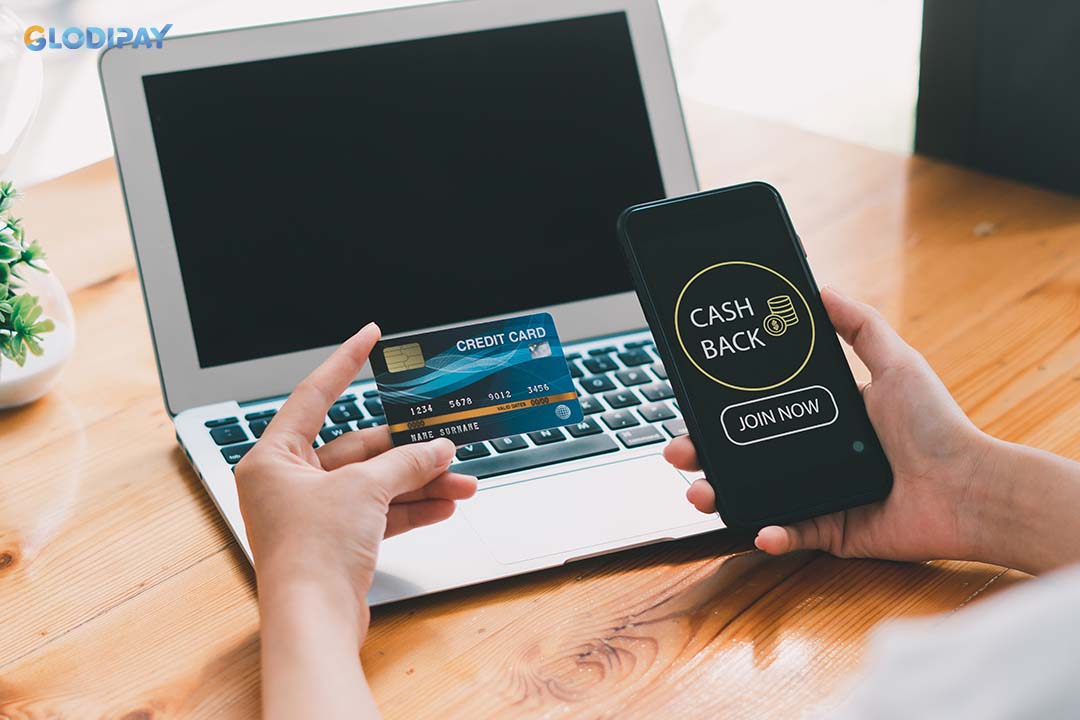
Frequent disputes make chargeback control a decisive factor in whether high-risk merchants can maintain stable processing relationships
Cross-border transaction complexity and approval variability
Selling internationally introduces multiple layers of operational difficulty. Currency conversions, local banking preferences, and differing authentication standards influence how transactions are evaluated and approved.
In addition, consumer protection regimes vary widely, making dispute management more demanding. Without strong localization capabilities and diversified acquiring coverage, merchants may experience inconsistent authorization rates and rising compliance exposure.
Intensified regulatory scrutiny and policy volatility
Many high-risk industries operate in environments where legal interpretations continue to evolve. Supervisory bodies may introduce new licensing expectations, advertising restrictions, or reporting duties with limited transition periods.
Because banks are accountable for the merchants they support, they tend to reassess exposure whenever regulations change. Payment providers must therefore maintain continuous dialogue with regulators and adapt quickly, or they risk limiting service to protect their own positions.

Evolving regulations force banks and payment providers to reassess exposure, making adaptability essential for high-risk merchant continuity
Recurring billing structures and recognition challenges
Subscription and continuity models generate predictable lifetime value but frequently increase the probability of disputes. Customers may overlook renewal dates, forget prior consent, or fail to recognize transaction descriptors on statements.
As volumes scale, small percentages translate into significant case numbers. Providers expect merchants to maintain transparent communication, accessible cancellation procedures, and documentation capable of supporting representment.
Greater attraction for fraud activity
High-risk environments naturally draw more aggressive fraud attempts. Criminal networks may test vulnerabilities in onboarding flows, exploit refund policies, or use stolen credentials to bypass weak authentication layers.
If prevention systems are insufficient, dispute ratios can escalate rapidly and threaten the acquisition of stability. Sustainable payment partnerships rely on layered defense strategies combining monitoring, analytics, and adaptive controls.
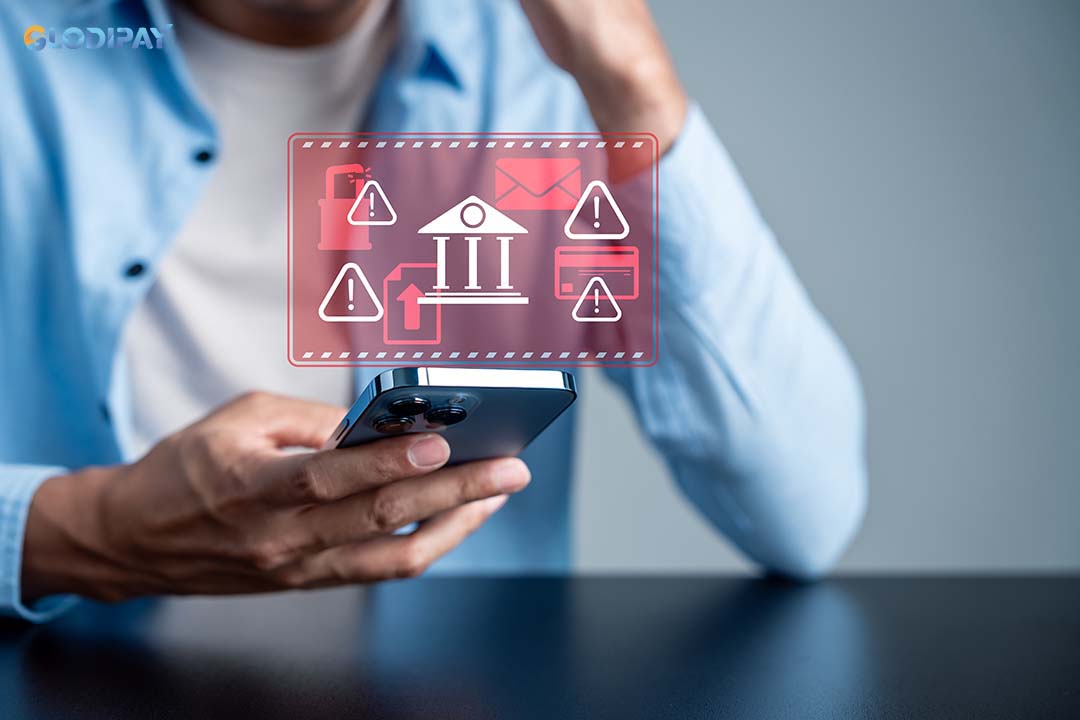
Persistent fraud pressure requires layered monitoring and adaptive controls to preserve acquiring stability for high-risk merchants
How do high-risk businesses choose a payment gateway for long-term stability and growth?
Choosing a gateway is a strategic move that affects approvals, compliance exposure, customer satisfaction, and revenue predictability. For high-risk merchants, the objective is building an arrangement that can survive regulatory pressure and volume fluctuations.
Alignment between business model and risk appetite
Long-term stability starts when a provider truly understands how a merchant operates. Gateways familiar with subscription lifecycles, international customers, refund behaviors, or digital delivery models are more prepared to remain supportive during turbulence. When underwriting expectations match operational reality, the likelihood of unexpected restrictions or sudden policy shifts decreases significantly.
Ability to scale across markets and volumes
Growth changes everything. As merchants expand geographically or introduce new products. They need a payment infrastructure capable of supporting additional currencies, alternative methods, and diversified acquiring routes. A scalable provider anticipates these developments and enables expansion without forcing repeated integrations or disruptive migrations.

A scalable payment provider enables high-risk merchants to expand into new markets, currencies, and methods without disruptive reintegration
Transparent economics and predictable cash flow
High-risk processing naturally involves reserves and monitoring mechanisms, but predictability is what matters most. Merchants must clearly understand how thresholds are calculated, when funds are released, and what triggers adjustments. Transparency allows finance teams to forecast liquidity accurately and maintain operational confidence even during peak periods.
Technology that supports performance optimization
Durable gateways invest heavily in routing intelligence, analytics, and integrated fraud mitigation. These systems help protect approval rates while keeping dispute ratios under control. With access to real-time visibility, merchants can act early, refine customer journeys, and prevent small anomalies from becoming structural problems.
Focus on sustainability over short-term access
Immediate approval is attractive, but endurance is invaluable. Merchants benefit more from stable frameworks that survive scrutiny than from aggressive promises that later collapse. Sustainable partnerships create the confidence required to invest in marketing, product innovation, and international growth.

Long-term stability outweighs instant approval, giving high-risk merchants the confidence to invest and grow sustainably
GLODIPAY - Global payment gateway for your business
As a global payment gateway operating across more than 173 countries, GLODIPAY is designed for merchants that require international reach combined with operational depth. The platform supports multi-currency processing and a wide spectrum of payment methods, enabling businesses to localize customer experiences while maintaining centralized control. Structured KYB procedures enable legitimate companies to begin processing efficiently without compromising banking expectations.
GLODIPAY also concentrates on industries traditionally labeled high risk, including AI platforms, travel, and e-learning. Advanced transaction security, including 3D Secure, works alongside intelligent routing and monitoring tools to stabilize approval performance while managing disputes. The result is an ecosystem where innovation and compliance develop together rather than in conflict.

GLODIPAY empowers high-risk merchants with global coverage, multi-currency support, rapid KYB, and advanced security to scale compliantly across 173+ countries
How high-risk businesses verify payment providers ultimately shapes their resilience, investor confidence, and ability to operate across borders without disruption. Thorough due diligence transforms payments from a vulnerability into a strategic advantage. Merchants that adopt disciplined verification frameworks are better positioned to navigate uncertainty while sustaining global growth. Contact GLODIPAY today to get more information about the payment gateway.