

As dropshipping businesses expand across international markets, customer payment preferences can vary significantly by country and region. Choosing the right customer payment methods for dropshipping therefore requires businesses to consider both widely used options and local payment preferences. This article explores key dropshipping payment methods and how businesses can adapt their payment mix across different markets.
Best customer payment methods for dropshipping
There is no single payment method that works best for every dropshipping business. The best payment methods for dropshipping depend on target markets, customer preferences, product value and checkout requirements.
Credit and debit cards
Credit and debit cards remain widely used dropshipping payment methods for online purchases across many markets. Major card networks such as visa, mastercard and American Express allow customers to pay directly at checkout and are supported by many payment gateways. For dropshipping businesses, card payments provide a familiar checkout experience and can work across different markets and devices. However, merchants should also consider chargeback and fraud risks, particularly for international or higher-value transactions. Security measures such as 3D Secure and transaction monitoring can help strengthen card payment protection.
PayPal
PayPal combines wallet functionality with payment processing and is widely recognized by online shoppers. Customers can complete purchases through their PayPal accounts without entering card details directly into the merchant’s checkout. For dropshipping businesses, PayPal can provide another familiar way for customers to pay. Merchants should still manage fulfillment, tracking, refunds and disputes carefully, as payment protection does not eliminate the risks associated with chargebacks or customer claims.
Digital wallets
Digital wallets allow customers to complete purchases using payment credentials stored on their devices or accounts. Options such as Apple Pay, Google Pay and other regional wallets can reduce the need to manually enter payment details at checkout. This convenience makes wallets particularly relevant for mobile commerce. For dropshipping stores attracting customers through mobile channels, adding digital wallets to their dropshipping payment options can create a faster and more convenient checkout experience.
Buy now, pay later
Buy now, pay later (BNPL) allows eligible customers to divide a purchase into multiple payments instead of paying the full amount upfront. Services such as Klarna, Afterpay and Affirm can make higher-value purchases more manageable for some customers. BNPL can expand payment methods for dropshipping businesses, particularly for stores selling mid- or higher-priced products. However, availability, eligibility and terms vary by provider and market, so businesses should evaluate whether BNPL matches their products and target customers.
Local payment methods
Customer payment preferences vary significantly between markets, making local methods an important part of international payment methods for dropshipping. Examples include iDEAL in the Netherlands, Bancontact in Belgium, SEPA payment options in Europe, Pix in Brazil, UPI in India, Boleto in Brazil for selected use cases, GrabPay in parts of Southeast Asia, PayNow in Singapore, OXXO in Mexico, KakaoPay and Naver Pay in South Korea, etc... Supporting relevant local options can make checkout more familiar for international customers who may not prefer cards or global wallets. Instead of offering the same payment setup everywhere, dropshipping businesses can adapt their payment mix according to the markets they serve.
Bank transfers and real-time payments
Bank-based payments allow customers to pay directly from their bank accounts. Depending on the market, these can include traditional bank transfers as well as real-time payment systems that process transactions more quickly. These payment methods for dropshipping can be useful for customers who prefer account-to-account payments over cards. They may also be relevant for higher-value or B2B transactions, although the checkout experience and processing flow can vary between payment systems.
Cash on delivery
Cash on delivery (COD) allows customers to pay when their order is delivered rather than during online checkout. It can be a useful dropshipping payment option in markets where customers prefer cash or are less comfortable with online payments. However, COD can create additional operational risks, including refused deliveries, failed delivery attempts and return shipping costs. Dropshipping businesses should consider fulfillment capabilities and customer behavior in each market before offering COD.
Crypto payments
Crypto payments allow customers to pay using supported digital currencies and can provide an alternative dropshipping payment option, particularly for tech-focused or international customers. However, crypto remains a niche choice compared with cards, digital wallets and local payment methods. For most dropshipping businesses, it is better positioned as an optional payment method rather than a core checkout option.
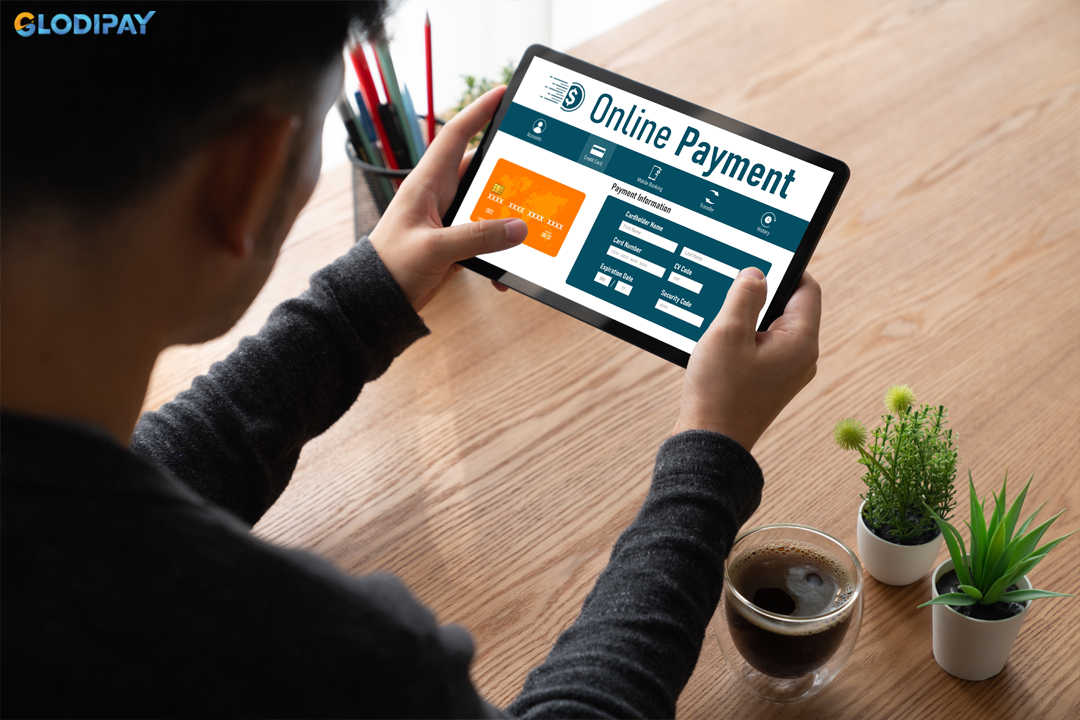
Dropshipping merchants can mix multiple payment options to optimize customer checkout
How to choose payment methods by market
Payment preferences vary widely across different countries and regions. When choosing international methods for dropshipping, businesses should prioritize popular local options over a one-size-fits-all setup.
United States
Cards remain an important payment option for online purchases in the United States, alongside digital wallets such as PayPal, Apple Pay and Google Pay. BNPL services can provide another option for eligible customers, particularly for higher-value purchases. A combination of cards, wallets and BNPL can give businesses a broader range of dropshipping payment options for the U.S market.
United Kingdom
In the United Kingdom, businesses can consider cards, PayPal, Apple Pay and Google Pay alongside BNPL services such as Klarna and Clearpay. Offering a combination of traditional and alternative payment methods allows dropshipping businesses to accommodate different ways customers prefer to pay.
Europe
Europe should not be treated as a single payment market because preferences and payment infrastructure differ between countries. In addition to cards and digital wallets, businesses may need to support local options such as iDEAL in the Netherlands, Bancontact in Belgium and SEPA-based payments across parts of Europe. Selecting relevant dropshipping payment methods country by country can provide a more localized checkout experience.
Canada and Australia
Cards, PayPal and digital wallets such as Apple Pay and Google Pay are relevant options for customers in Canada and Australia. BNPL can also be considered depending on the product category, transaction value and target audience. Businesses should evaluate which methods are supported in each market when building their payment mix.
Latin America
Payment preferences across Latin America vary considerably by country. Alongside cards, customers may use bank-based payments, instant payment systems, vouchers, installments and regional payment options, such as Pix in Brazil. Dropshipping businesses entering the region should select customer payment methods for dropshipping according to the specific countries they serve rather than using a single regional setup.
Southeast Asia
Southeast Asia has a diverse payment landscape, with cards, digital wallets, bank transfers, QR payments and Cash on Delivery (COD) playing different roles across individual markets. Local payment options can therefore be particularly important when serving customers across the region. Businesses should evaluate payment preferences country by country when choosing alternative payment methods for dropshipping.
Middle East
Payment preferences in the Middle East also vary between markets. Depending on the country, customers may use cards, digital wallets, bank-based payments, local payment options or COD. Dropshipping businesses should consider both customer preferences and payment availability in each target country before deciding which methods to offer.
Payment preferences vary significantly across different markets
How GLODIPAY connects dropshipping businesses to global payments
GLODIPAY provides global payment solutions for e-Commerce businesses, including dropshipping and POD, helping merchants manage transactions across international markets. By supporting diverse customer payment methods for dropshipping, businesses can build a more flexible payment experience for customers with different preferences.
With payment coverage across more than 173 countries, GLODIPAY offers diverse payment methods such as international cards, digital wallets, bank transfers, QR payments and local payment solutions supporting multiple currencies. This allows dropshipping businesses to offer relevant international payment methods for dropshipping as they reach customers across different markets.
Beyond payment flexibility, GLODIPAY combines advanced 3D Secure technology, fraud prevention tools and PCI DSS-compliant infrastructure to strengthen transaction security. These capabilities help businesses manage global dropshipping payments while maintaining a secure and consistent payment experience.
GLODIPAY payment gateway helps dropshipping businesses achieve stable growth
As dropshipping businesses expand internationally, adapting dropshipping payment methods by market can help create a more flexible and localized checkout experience. A well-planned payment mix also gives businesses a stronger foundation to respond to changing customer preferences as they enter new markets. Contact GLODIPAY today to explore global payment solutions and build the right payment mix for your dropshipping business.