

Setting up a cross-border payment gateway for a high-risk business is a complex decision. As merchants expand into international markets, they must carefully weigh operational requirements against processing costs, especially since high-risk gateways come with a higher price tag than regular accounts. In this article, you will find a full breakdown of the factors impacting high-risk gateway pricing, along with practical strategies to minimize your costs.
What actually determines your pricing?
There is no fixed pricing model for high-risk payment processing. The final cost depends on the merchant’s risk profile, transaction behavior, target markets and payment requirements.
Business model
Your business model is a key factor in determining high-risk payment gateway costs. Industries such as online gaming, betting, forex, cryptocurrency, adult services and financial products often face higher rates due to greater fraud, dispute and compliance risks. Providers also consider how a business generates revenue and processes customer payments. Recurring billing, high-value transactions, delayed fulfillment and complex refund policies can affect the overall risk assessment and pricing structure.
Chargeback ratio
Chargeback ratio is another important factor that can directly affect payment gateway pricing. A higher ratio indicates greater financial exposure for payment processors and acquiring banks. Merchants with frequent disputes may face higher processing fees, larger rolling reserves or longer settlement periods. Providers typically evaluate both current chargeback levels and historical dispute patterns when determining pricing.
Processing volume
Monthly processing volume can influence transaction rates and other payment gateway costs. Providers usually consider the total transaction value, number of transactions and consistency of processing activity. Transaction patterns are also important when evaluating processing volume. Sudden increases, seasonal fluctuations or unusually large transactions may affect how providers assess the merchant’s overall risk level.
Target markets
The countries and regions where a business accepts payments can significantly affect processing costs. Different markets involve varying levels of fraud exposure, regulatory requirements, acquiring costs and cross-border complexity. Businesses operating internationally may also face currency conversion and cross-border processing fees. As a result, merchants serving multiple regions can have different pricing structures depending on their geographic transaction profile.
Payment methods
Different payment methods have different processing fees, settlement structures, and risk characteristics. International cards, digital wallets, bank transfers, QR payments and local payment methods may therefore contribute differently to the total processing cost. The number and type of payment methods supported can also affect gateway pricing. Providers may consider the infrastructure, acquiring relationships and operational requirements involved in supporting each payment method.
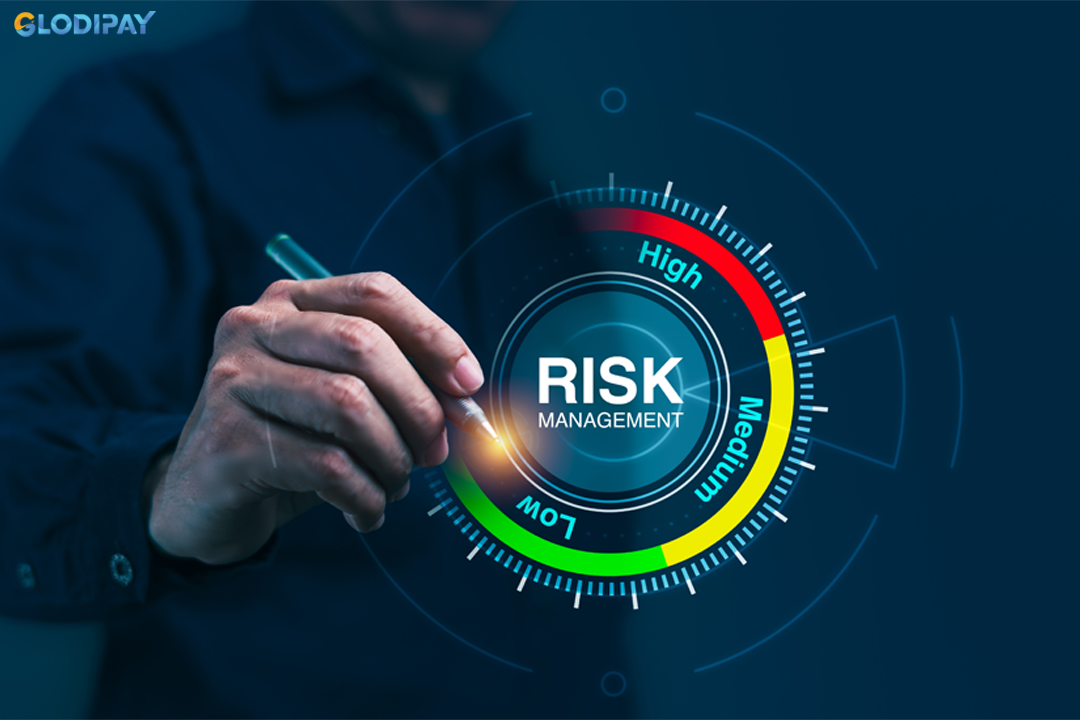
High-risk payment gateway fees vary for each business
How to reduce high-risk payment gateway costs
High-risk payment processing will generally involve higher costs than standard payment processing. However, businesses can optimize these expenses by improving risk management, payment performance and overall processing efficiency.
Reduce chargebacks
Reducing chargebacks is one of the most effective ways to control high-risk payment processing costs. Businesses can strengthen fraud prevention, provide clear billing information, maintain transparent refund policies and respond quickly to customer concerns. Merchants should also regularly monitor the reasons behind disputes and identify recurring issues. A consistently lower chargeback ratio can strengthen the merchant’s risk profile and may lead to more favorable processing terms over time.
Optimize your payment setup
A properly configured high-risk payment gateway can help businesses process transactions more efficiently. Payment settings should reflect transaction patterns, customer locations, currencies, payment methods, and the specific risk characteristics of the business. Businesses should also regularly review payment performance as transaction volumes and markets change. An optimized setup can reduce unnecessary processing issues and help control operational costs as the business grows.
Choose the right payment partner
Not all payment providers offer the same pricing structure, market coverage, payment methods or risk management capabilities. Businesses should compare the total processing cost rather than focusing only on the advertised transaction rate. A suitable payment partner can help reduce unnecessary declines, improve transaction routing and maintain more stable payment processing. Businesses should also consider settlement terms, reserve requirements, cross-border fees, fraud prevention capabilities and technical support before choosing a provider.
Improve approval rates
Improving payment approval rates allows businesses to generate more completed transactions from their existing payment traffic. Fewer unnecessary declines can also reduce the operational cost associated with failed payments and repeated payment attempts. Businesses can improve approval performance by using appropriate payment methods, accurate transaction data, secure authentication and payment configurations suited to their target markets. Consistently strong payment performance can also strengthen the merchant’s processing profile when discussing future terms with payment providers.
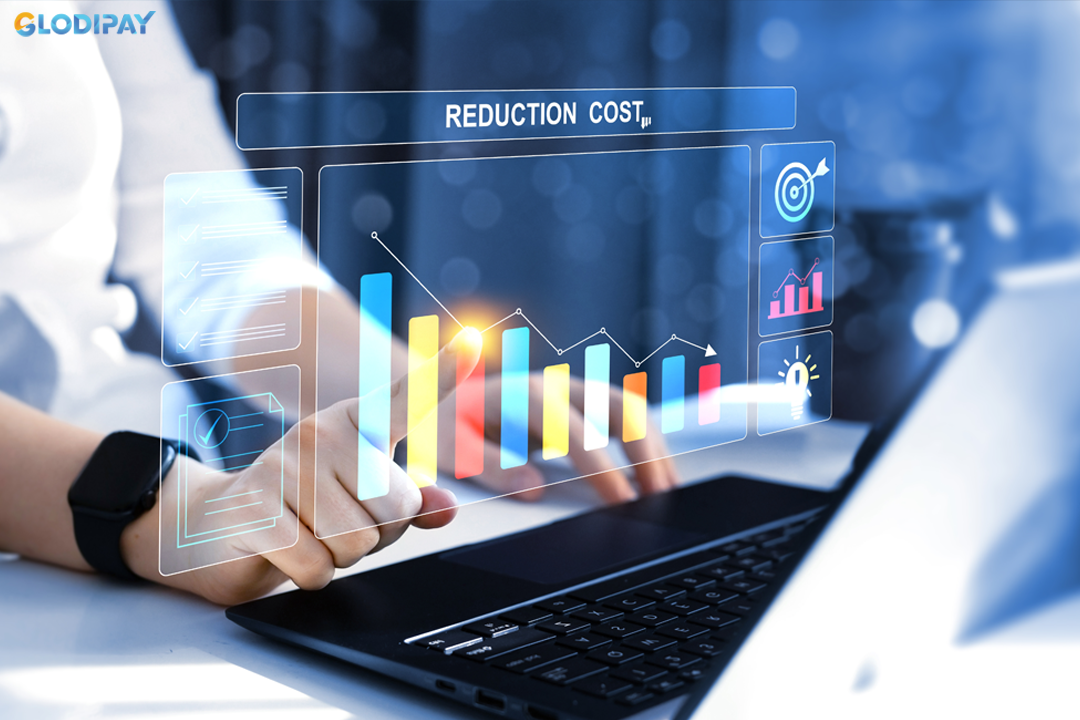
Reducing payment gateway costs helps businesses optimize cash flow throughout their operations
Hidden costs you must watch out for
High-risk payment gateway costs are not always limited to the fees shown in the initial pricing proposal. Additional charges and contract terms can increase the actual cost of payment processing or affect the merchant’s cash flow.
Undisclosed setup fees
Some providers may charge additional fees during account setup, underwriting, technical integration, or compliance reviews. These costs may not always be clearly included in the initial pricing information. Businesses should review which services are included in the onboarding fee and which require additional payment. This helps merchants understand the actual upfront cost before completing the integration.
Early termination penalties
Some payment processing agreements include minimum contract periods or fees for terminating the service early. These penalties can become an unexpected expense if a business needs to change providers before the contract ends. Merchants should review contract duration, cancellation requirements and termination fees before signing an agreement. These conditions can affect both the total processing cost and the flexibility to switch providers.
Excessive reserve requirements
Rolling reserves are common in high-risk payment processing, but the percentage and holding period can vary significantly. A large reserve requirement can temporarily restrict access to a considerable portion of the merchant’s revenue. Although reserves are eventually released according to agreed terms, they can still affect working capital and cash-flow planning. Businesses should therefore understand the reserve percentage, holding period and release conditions before onboarding.
Unclear payout timelines
Settlement schedules determine how quickly merchants can access funds from processed transactions. Longer or inconsistent payout timelines can make cash-flow management more difficult, particularly for businesses with high transaction volumes. Businesses should confirm settlement frequency, expected payout times and any conditions that may delay fund transfers. Clear settlement terms make it easier to evaluate the financial impact of a payment gateway beyond its transaction fees.
Hidden costs also significantly drive up setup fees for high-risk payment gateways
Is a high-risk payment gateway worth the cost?
Yes, if implemented correctly. Without reliable payment infrastructure, high-risk businesses may face failed transactions, unstable revenue and limited growth.
Why does reliable payment infrastructure matter?
High-risk businesses often operate in environments with greater fraud exposure, chargebacks, cross-border complexity and transaction risks. A payment gateway designed for these requirements provides the infrastructure needed to process transactions more reliably and maintain stable payment operations.
Benefits of the right high-risk payment gateway
With the right high-risk payment gateway setup, businesses can improve transaction approval rates and reduce unnecessary payment failures. More successful transactions help create a smoother checkout experience and support a more consistent revenue flow.
Reliable payment processing also provides a stronger foundation for business growth. As transaction volumes increase or businesses expand into new markets, scalable payment infrastructure can help maintain payment performance, security and operational stability.
Why high-risk businesses should choose GLODIPAY’s payment gateway
Choosing the right payment partner is essential for high-risk businesses operating in complex and high-risk markets. GLODIPAY provides flexible payment infrastructure that helps businesses manage international transactions while balancing payment performance, security and operational efficiency.
With processing coverage across more than 173 countries, GLODIPAY supports businesses across all industries, with a particular focus on high-risk sectors such as travel, gaming, AI, digital content and eLearning. Businesses can accept international cards, digital wallets, bank transfers, QR payments, local payment methods and multiple currencies. This broad payment coverage allows businesses to serve customers across different markets through a more unified payment environment.
GLODIPAY also combines advanced 3D Secure technology, fraud prevention tools and PCI DSS-compliant infrastructure to strengthen transaction security. These capabilities help high-risk businesses manage payment risks while maintaining reliable payment operations as transaction volumes grow.
 GLODIPAY’s payment gateway offers competitive market rates to help businesses optimize operations
High-risk payment gateway costs are shaped by multiple factors, from chargeback risks and processing volume to target markets, payment methods and compliance requirements. For high-risk businesses, understanding the total cost of payment processing and choosing secure, reliable and scalable payment infrastructure is essential to maintaining stable transactions and supporting long-term growth. Contact GLODIPAY today to explore payment solutions designed to support your business needs.