

The shift in global payment habits and its implications for businesses has emerged as a crucial topic in today's digital commerce landscape. Consumers no longer view payments as a simple final step in the purchasing process. Instead, they expect transactions to be fast, seamless, localized, and optimized for the devices and platforms they use every day. This article explores the key changes in global payment behavior, the challenges businesses face, and how modern payment strategies can help companies stay competitive in the evolving digital economy.
The rapid evolution of global payment behavior
The global payment landscape is changing faster than ever due to digital transformation and shifting consumer expectations. Businesses must understand these changes to remain competitive in international markets.
Mobile-first shopping is becoming the global standard
Consumers increasingly rely on smartphones for online shopping, making mobile payments a core part of digital commerce. Modern users expect fast and intuitive payment experiences that fit naturally into mobile behavior, including biometric authentication, digital wallets, and simplified checkout flows. This shift is especially visible in regions such as Southeast Asia, Latin America, and the Middle East, where many users skip desktop commerce entirely. Businesses that fail to optimize payments for mobile experiences may see higher cart abandonment rates and lower conversion performance.
Customers expect faster and simpler payment experiences
Today’s consumers have very little tolerance for complicated checkout processes or unnecessary friction. Long forms, redirects, and repeated authentication steps can quickly discourage buyers from completing purchases. As a result, businesses are increasingly adopting payment methods that minimize effort and improve speed. Faster payment experiences not only improve customer satisfaction but also directly impact revenue and repeat purchases.
The rise of alternative and local payment methods
Traditional card payments are no longer sufficient to serve global audiences effectively. Customers in different regions prefer different payment methods based on culture, infrastructure, and financial accessibility.
Digital wallets are becoming mainstream
Digital wallets such as PayPal, Apple Pay, Google Pay, Alipay, and WeChat Pay are becoming central to how consumers manage money online. These platforms allow users to pay quickly without repeatedly entering card information, creating a smoother checkout experience. In many markets, digital wallets are not just payment tools but part of broader financial ecosystems that include transfers, shopping, savings, and daily spending. Businesses that do not support wallets risk losing mobile-first consumers who prioritize convenience and speed.
Instant bank transfers are gaining global adoption
Real-time bank transfer systems such as UPI in India, PIX in Brazil, and Pay by Bank in Europe are becoming increasingly popular. These payment methods provide fast settlement, lower decline rates, and improved security compared to traditional card transactions. For businesses, instant bank transfers can reduce processing delays and improve cash flow management. They also help reduce fraud risks because customers authenticate transactions directly through their banking applications.
QR code payments are becoming payment infrastructure
QR code payments have evolved from a temporary trend into a core payment infrastructure in many markets. They simplify transactions by allowing customers to scan and approve payments directly through their banking or wallet applications. This payment model aligns perfectly with mobile-first behavior and reduces friction during checkout. In regions across Asia and Latin America, QR payments often outperform traditional card payments in terms of usability and conversion.
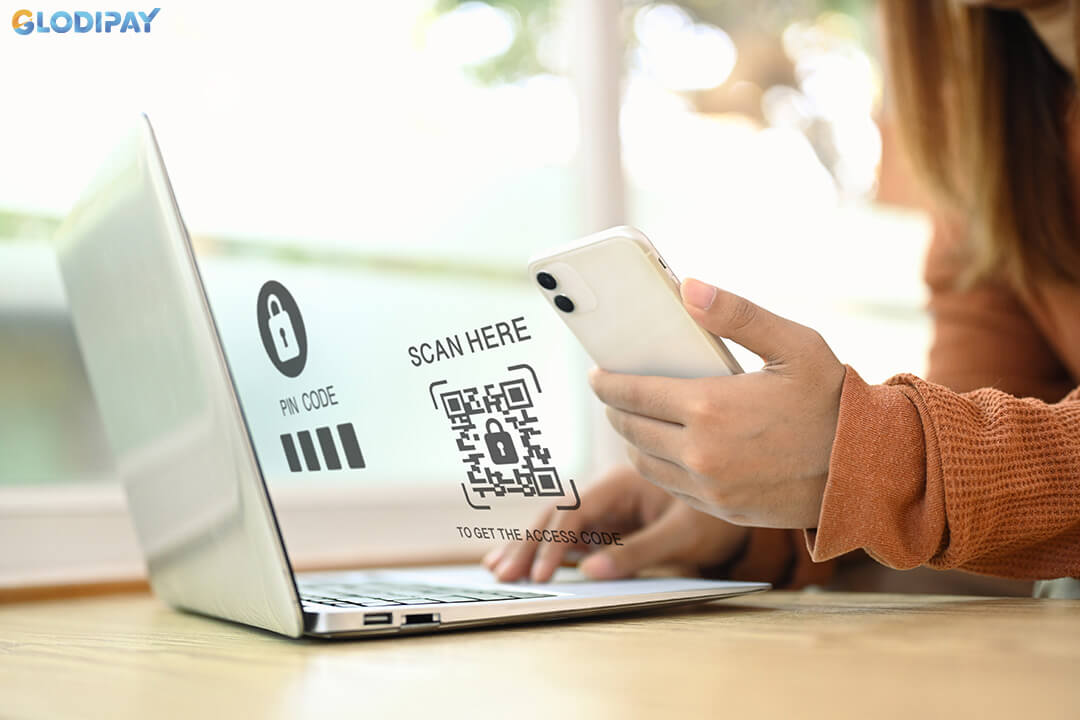
QR code payments simplify transactions
Cash-based digital payment methods still matter
Despite the growth of digital payments, cash-based payment methods remain highly relevant in many countries. Services such as OXXO in Mexico or PagoEfectivo in Peru allow customers to complete online purchases using cash through local retail networks. These methods are essential in markets where credit card penetration is low or where consumers prefer cash for security and privacy reasons. Ignoring these payment preferences can significantly limit market reach.
Why localization is critical for global businesses
As payment habits become more localized, businesses must adapt their payment strategies to regional expectations rather than relying on universal approaches.
Consumers want familiar payment methods
International customers prefer payment methods they already know and trust. A customer in Thailand may expect wallet payments, while a customer in Germany may prefer direct bank transfers. Businesses that fail to offer localized payment options often experience lower conversion rates because customers are unwilling to adapt to unfamiliar systems. Payment localization has become a direct factor in purchasing decisions.
Multi-currency payments improve customer confidence
Customers are more comfortable completing transactions when prices are displayed in their local currency. Multi-currency payment support reduces confusion and eliminates concerns about hidden conversion costs. This localized experience increases trust and improves overall checkout transparency. For global businesses, supporting multiple currencies is no longer optional but essential for international expansion.
Localized checkout experiences reduce friction
Payment localization extends beyond methods and currencies to the entire checkout experience. Authentication flows, refund processes, language, and payment terminology must align with local expectations. Businesses that localize their checkout processes create smoother user experiences and significantly improve transaction success rates.
What these payment shifts mean for businesses
The evolution of payment behavior is not only changing checkout experiences but also influencing growth strategies, operational planning, and competitive positioning.
Payments are now part of the customer experience
Modern consumers judge brands based on payment convenience as much as product quality or pricing. A complicated payment experience can damage trust and reduce customer retention. Businesses must now treat payment optimization as part of their overall customer experience strategy rather than only a technical function.

Businesses need to rethink how payments fit into the overall customer experience
Flexible payment systems enable global expansion
Businesses entering international markets need payment systems capable of supporting local methods, currencies, and regulatory requirements. Without flexible infrastructure, expansion becomes slow and operationally complex. A scalable payment ecosystem enables businesses to enter new markets faster while maintaining operational efficiency and consistent customer experiences.
Future-ready payment strategies improve competitiveness
As digital commerce continues evolving, payment innovation will become a key competitive advantage. Businesses that adapt quickly to changing payment habits will capture more customers and improve conversion performance. Companies that delay modernization may struggle to compete in a market increasingly driven by speed, localization, and convenience.
GLODIPAY - Empowering businesses in the evolving global payment landscape
As global payment habits continue shifting toward mobile-first, localized, and real-time payment experiences, businesses need a payment partner capable of supporting these changes at scale. GLODIPAY helps merchants adapt to modern payment expectations while expanding confidently into international markets. GLODIPAY supports merchants in more than 173 countries, providing a truly global payment infrastructure for cross-border commerce. With support for over 43 currencies, businesses can accept payments in multiple currencies, allowing customers to pay in familiar local currencies while helping merchants expand more easily into new markets.
The platform supports a wide variety of payment methods, including Visa, MasterCard, local payment solutions, e-wallets,... This comprehensive payment mix enables merchants to serve both global and local audiences while maximizing conversion rates across different regions and customer segments. GLODIPAY also prioritizes transaction security through advanced 3D secure authentication and full PCI DSS compliance. These protections help businesses reduce fraud risks, maintain compliance standards, and build customer trust in increasingly digital and high-risk environments.
GLODIPAY supports all industries, including physical and digital products, with strong expertise in high-risk sectors such as AI, travel, IPTV, and eCommerce. Businesses can accept payments through web browsers, mobile apps, payment links, QR codes, and social platforms. In addition, GLODIPAY offers a fast, secure, and reliable payment gateway combined with advanced fraud detection, comprehensive API integration, a powerful dashboard, and 24/7 real-time reporting. These tools provide merchants with greater operational visibility, flexibility, and control over global payment performance.
GLODIPAY is designed to help merchants adapt to the evolving payment expectations
Global payment habits are shifting and this means for businesses reflects a major transformation in the way customers interact with digital commerce. Consumers now expect faster, localized, and more flexible payment experiences that align with their daily habits and regional preferences. In an increasingly competitive digital economy, payment flexibility and customer convenience are becoming critical drivers of long-term growth. Contact GLODIPAY for expert support in building scalable, secure, and globally optimized payment solutions.