

High-risk payment processing is undergoing a major transformation. Across global markets, banks and payment service providers are quietly changing how they evaluate and support high-risk businesses. Many international merchants only notice these changes when they face payment rejections, account reviews, or delayed settlements. The shift is driven by evolving risk management strategies and stricter compliance expectations. Understanding how high-risk payment processing is being reshaped in 2026 is essential for businesses that want to scale internationally without disruptions. In this article of GLODIPAY, discover how high-risk payment processing is being reshaped in 2026.
Why high-risk payment processing is changing faster than expected
High-risk payment environments are evolving rapidly as financial institutions tighten their monitoring systems. Banks and payment providers now analyze merchant behavior more closely than ever before.
High-risk is no longer defined only by industry
In the past, businesses were labeled high-risk primarily because of their industry category. Sectors such as gaming, IPTV, forex, or dating platforms were automatically placed under stricter scrutiny. Today, risk evaluation goes much deeper. Banks now assess transaction consistency, customer locations, refund patterns, and the predictability of business growth. Two companies operating in the same industry may receive completely different treatment depending on their transaction behavior and compliance maturity.
Transaction behavior and compliance are critical signals
Modern risk assessment models rely heavily on behavioral data. Payment providers continuously monitor transaction patterns, approval rates, chargebacks, and fraud indicators. Businesses that maintain transparent operations and consistent transaction flows are more likely to maintain stable payment relationships. On the other hand, unpredictable spikes in volume or poor dispute management can trigger account reviews or restrictions.
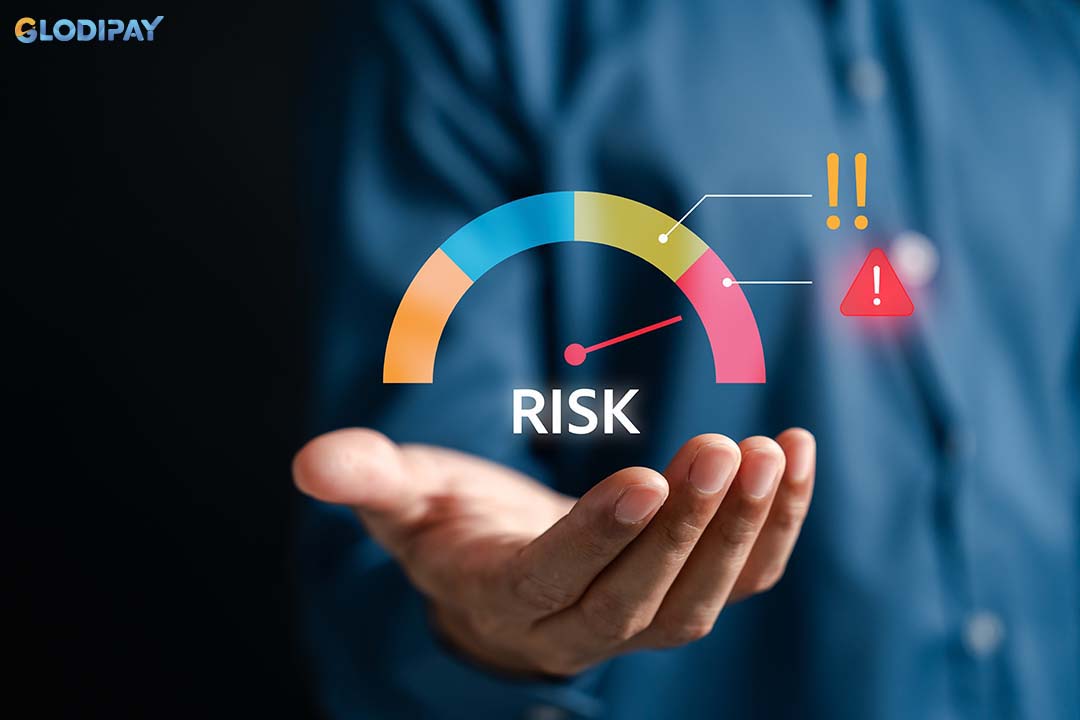
High-risk payment processing is evolving rapidly because of some reasons
Why international expansion increases payment complexity
Global expansion creates significant growth opportunities, but it also introduces additional payment risks. Cross-border payment processing involves regulatory, operational, and financial challenges.
Regulatory and cross-border compliance pressure
When businesses operate across multiple regions, they must comply with various financial regulations and banking standards. Different countries enforce different rules related to anti-money laundering (AML), data protection, and consumer rights. Failure to align with these requirements can lead to transaction monitoring, delayed settlements, or even payment processing interruptions. For international merchants, compliance must be treated as an ongoing process rather than a one-time setup.
Currency risk and fraud sensitivity
Cross-border payments often involve currency conversions and international card transactions. These factors increase fraud sensitivity and trigger stricter monitoring from issuing banks. Additionally, international transactions tend to generate more disputes and chargebacks. Banks therefore analyze global payment flows carefully to ensure merchants are operating within acceptable risk thresholds.

Global expansion creates significant growth opportunities, but it also introduces additional payment risks
The shift from fast approvals to long-term payment stability
In the past, many payment providers focused on offering fast merchant approvals and quick onboarding. However, the payment ecosystem is now moving toward long-term stability and risk management.
Predictable transaction flows matter more than speed
Banks now prioritize predictable payment patterns and sustainable business growth. Sudden spikes in volume, inconsistent transaction behavior, or unclear revenue models may trigger risk alerts. For merchants, this means payment approval is no longer a one-time milestone. Maintaining stable processing requires consistent monitoring, clear billing practices, and transparent business operations.
Payment gateways are becoming risk management systems
Modern payment gateways are no longer just technical tools that connect websites with banks. They now function as risk management layers within the payment ecosystem. Gateways monitor merchant activity, enforce compliance standards, and detect early warning signs of fraud or disputes. Providers that fail to manage merchant risk effectively may lose their banking partnerships, making risk-aware gateways essential for high-risk industries.

The payment ecosystem is now moving toward long-term stability and risk management
Payment gateways are becoming risk frameworks
Payment gateways are no longer just technical bridges connecting websites to banks. In modern payment ecosystems, they play an active role in managing risk, compliance, and transaction monitoring. This shift is especially visible in international markets and industries that operate under higher scrutiny.
Gateways now act as risk filters between merchants and banks
Modern payment gateways act as a risk filter between merchants and acquiring banks. They analyze transaction data, detect suspicious behavior, and ensure that merchants meet compliance standards before transactions reach the banking system.
In addition to processing payments, gateways now enforce security protocols, monitor fraud indicators, and maintain ongoing risk assessments. Providers that fail to manage merchant risk effectively may lose their banking partnerships, making risk-aware infrastructure essential for international businesses.
Payment gateways provide early fraud and dispute detection
Another critical role of modern gateways is early detection. By monitoring transaction behavior in real time, payment platforms can identify unusual patterns that may lead to fraud or chargebacks. Early warning systems allow merchants to react quickly before issues escalate. This proactive approach reduces financial losses, protects merchant accounts, and ensures smoother payment operations across global markets.

Payment gateways are becoming risk frameworks because they provide early fraud and dispute detection
What international high-risk businesses must do differently
As payment ecosystems evolve, international merchants must rethink how they approach payment infrastructure. Payment processing is no longer just a backend function. It is now a strategic component of global operations.
Structuring payment flows by region
Businesses operating internationally should structure payment flows according to regional markets. Different countries have different banking relationships, fraud patterns, and regulatory expectations. By adapting payment strategies to specific regions, companies can improve approval rates, reduce risk signals, and maintain smoother relationships with acquiring banks.
Treating compliance and risk monitoring as continuous processes
Compliance is no longer a one-time setup during onboarding. Banks and payment providers continuously evaluate merchant behavior and transaction patterns. Businesses must actively monitor chargebacks, maintain transparent billing practices, and align their operations with evolving regulatory requirements. Choosing payment partners that prioritize long-term stability helps merchants avoid unexpected disruptions as they expand globally.
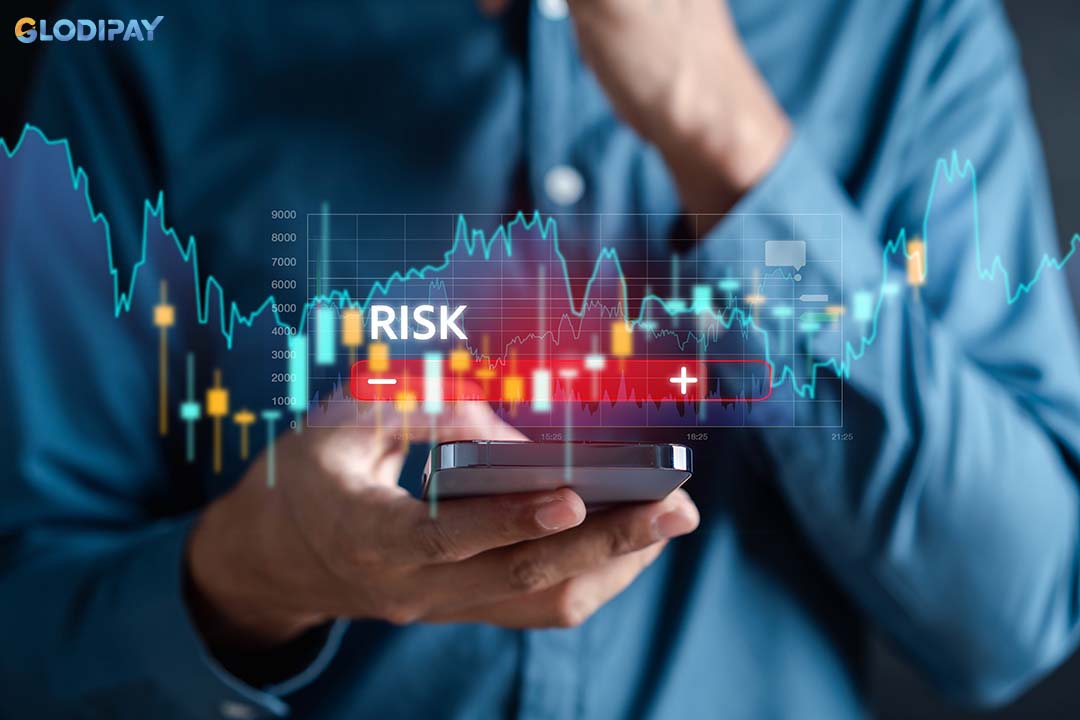
Payment processing is s now a strategic component of global operations
GLODIPAY supports modern high-risk payment processing
As high-risk payment environments evolve, businesses need payment partners that prioritize stability, compliance, and global scalability. GLODIPAY is designed to support merchants operating in complex and high-risk industries.
GLODIPAY supports payments in more than 173 countries, and integrates multiple currencies, payment methods, including cards, digital wallets, and local banking options. This allows merchants to accept payments globally while offering localized checkout experiences. With strong compliance frameworks and secure payment technology such as PCI DSS standards, 3DS, encryption, and fraud monitoring, GLODIPAY helps businesses scale internationally with confidence.
GLODIPAY is designed specifically to support businesses operating in high-risk sectors with flexible approval processes, tailored onboarding, and risk management frameworks adapted to each industry. By combining global payment infrastructure with specialized compliance and fraud monitoring tools, GLODIPAY helps merchants maintain stable payment operations as they scale. This approach gives businesses a reliable foundation to expand into new markets while managing risk with greater confidence.

GLODIPAY is ideal for your high-risk payment processing in 2026
High-risk payment processing is no longer defined solely by industry classification. In 2026, banks evaluate businesses based on transaction behavior, compliance maturity, and cross-border risk exposure. As international expansion increases complexity, companies must adapt their payment strategies to prioritize stability and transparency. Payment gateways now act as risk management frameworks rather than simple processing tools. Businesses that partner with experienced providers like GLODIPAY can reduce disruptions, maintain payment continuity, and grow confidently across global markets. Contact GLODIPAY today to get the earliest support for your high-risk business.