

As eCommerce continues to expand globally, fraud is becoming more sophisticated and costly. Businesses are no longer just dealing with stolen card data but also complex schemes like account takeovers and chargeback abuse. In 2026, effective fraud prevention is not optional. It is a critical part of sustainable growth. This guide of GLODIPAY explores the most common fraud threats, modern prevention technologies, and how the right payment partner can help you stay protected.
Understanding eCommerce fraud and its growing impact
Fraud in eCommerce is evolving rapidly, driven by digital adoption and cross-border transactions. Businesses must understand how these threats work before they can effectively prevent them.
What is eCommerce fraud?
eCommerce fraud refers to any illegal activity conducted through online transactions to gain financial advantage. This includes using stolen payment information, exploiting refund policies, or manipulating promotional systems.
Unlike traditional fraud, online fraud is highly scalable and often difficult to trace. Fraudsters can operate from anywhere, using simple tools and stolen data purchased from the dark web. This makes detection more complex and increases the risk for businesses operating internationally.
The financial and operational impact
Fraud does not only result in lost transactions. The real cost is much higher when including chargebacks, penalties, operational overhead, and reputational damage.
For every $100 lost to fraud, businesses can lose more than double due to processing fees, logistics, and dispute handling. Over time, this erodes profit margins and limits the ability to invest in growth, technology, and customer experience.

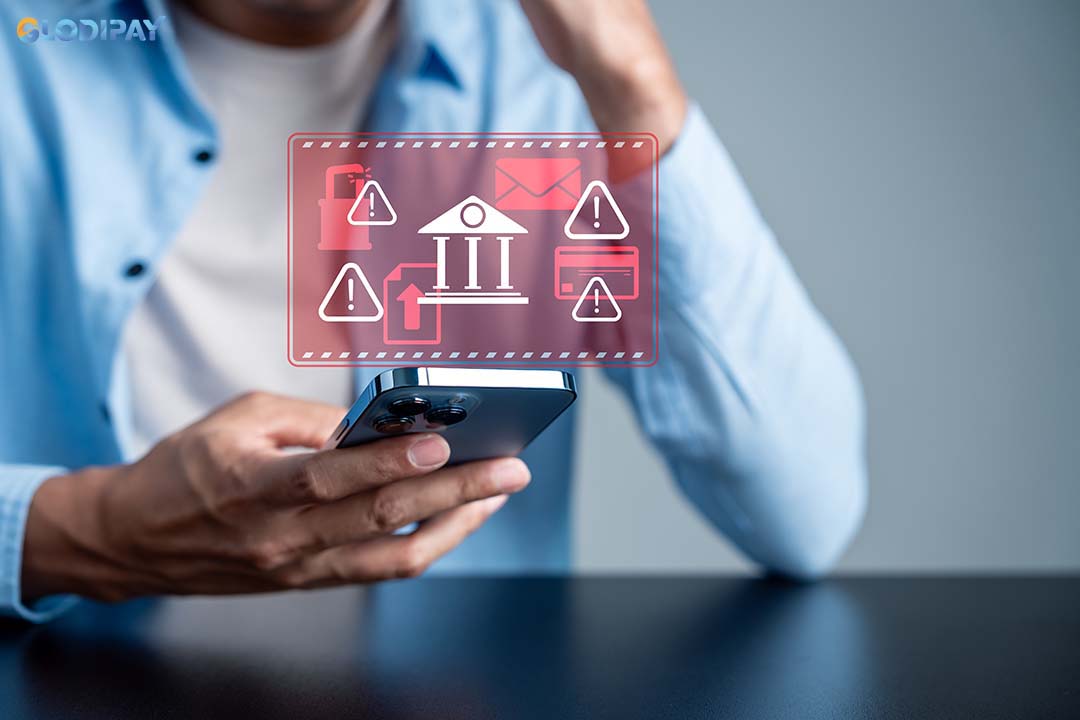
Fraud in eCommerce is evolving rapidly, driven by digital adoption and cross-border transactions
Common types of eCommerce fraud in 2026
Understanding the most frequent fraud methods helps businesses build targeted prevention strategies. Each type of fraud presents unique risks and requires different mitigation approaches.
Credit card fraud
This is one of the most common forms of eCommerce fraud. Fraudsters use stolen card details to make unauthorized purchases, which are later disputed by the real cardholder. To reduce this risk, businesses should implement strong authentication methods such as 3D Secure, monitor unusual transaction patterns, and use real-time fraud detection tools. These measures help verify customer identity and block suspicious payments before they are completed.
Account takeover (ATO)
Account takeover occurs when hackers gain access to user accounts using stolen credentials. Once inside, they can make purchases, change account details, or steal sensitive data. Preventing ATO requires multi-layered security, including two-factor authentication, login monitoring, and anomaly detection. Businesses should also educate users on password security and phishing risks.
Chargeback and refund fraud
Also known as “friendly fraud,” this happens when customers dispute legitimate transactions to receive refunds unfairly. It is particularly common in subscription-based or digital product businesses. Clear billing descriptors, transparent refund policies, and detailed transaction records are essential to reduce disputes. Automated chargeback alerts can also help businesses respond quickly and prevent escalation.
Promo abuse and overpayment fraud
Fraudsters increasingly exploit discount systems or manipulate payment flows. Promo abuse involves creating multiple accounts to repeatedly use discounts, while overpayment fraud tricks merchants into issuing false refunds. To mitigate these risks, businesses should track user behavior, limit promotion usage, and verify unusual payment activities before processing refunds.
There are some main types of eCommerce fraud in 2026
Key technologies for fraud prevention
Modern fraud requires modern solutions. Businesses must adopt advanced technologies that can detect and respond to threats in real time.
AI-powered fraud detection
Artificial intelligence plays a critical role in identifying suspicious behavior. AI systems analyze large volumes of transaction data to detect anomalies, such as unusual purchase patterns or geographic inconsistencies. Over time, these systems become more accurate, allowing businesses to prevent fraud proactively rather than reacting after losses occur.
Tokenization and data encryption
Tokenization replaces sensitive payment data with secure tokens, ensuring that even if data is intercepted, it cannot be used. Combined with encryption, this creates a strong layer of protection for customer information. These technologies not only reduce fraud risk but also help businesses comply with global security standards.
Real-time monitoring and alerts
Real-time monitoring systems analyze transactions instantly and flag suspicious activities. This allows businesses to take immediate action, such as blocking transactions or requesting additional verification. This proactive approach significantly reduces fraud losses and improves overall transaction security.

Businesses must adopt advanced technologies that can detect and respond to threats in real time
Best practices for building a fraud-resistant ecommerce business
Beyond technology, businesses must adopt strategic practices to create a secure payment environment.
Strengthen security and compliance
Compliance with standards such as PCI DSS and data protection regulations is essential. These frameworks ensure that payment data is handled securely and reduce the risk of breaches. Regular security audits and updates help maintain compliance and adapt to evolving threats.
Optimize customer experience without compromising security
A balance between security and user experience is critical. Overly complex verification processes can reduce conversion rates, while weak security increases fraud risk. Smart authentication methods, such as risk-based verification, allow businesses to apply stricter controls only when necessary.
How GLODIPAY helps prevent eCommerce fraud
As fraud becomes more complex, businesses need a payment partner that goes beyond basic processing. This is where GLODIPAY delivers a strategic advantage. GLODIPAY supports transactions in over 173 countries with multiple currencies and a wide range of payment methods, including cards, digital wallets, and local banking solutions. Its intelligent transaction routing, AI-driven risk analysis, and real-time monitoring help detect fraud early while improving approval rates and reducing payment failures.
Security is embedded into every layer of GLODIPAY’s ecosystem. There are PCI DSS compliance, 3DS authentication, encryption, tokenization, and advanced fraud monitoring, ensuring that all transactions remain protected. These technologies safeguard sensitive data while maintaining a seamless checkout experience for users. At the same time, GLODIPAY supports high-risk industries, recurring subscriptions, one-time payments, and microtransactions.

GLODIPAY has many advantages that help prevent eCommerce fraud in 2026
eCommerce fraud is no longer a minor operational issue. It is a critical challenge that directly affects profitability, customer trust, and long-term growth. In 2026, businesses must combine advanced technology, strong security practices, and the right payment infrastructure to stay ahead of fraud. By partnering with a solution like GLODIPAY, merchants can protect their revenue, build customer confidence, and scale securely in an increasingly complex digital landscape. Contact GLODIPAY today to get the earliest support for your business to prevent e-Commerce fraud.