

A secure and reliable payment gateway is one of the most important components of any online business. Whether you operate an e-Commerce store, SaaS platform, marketplace, or digital service, your payment experience directly impacts customer trust and conversion rates. This guide explains how payment gateway integration works in 2026, the available integration methods, and how GLODIPAY helps businesses simplify global payment acceptance.
Why payment gateway integration is essential
A well-integrated payment gateway improves both customer experience and business efficiency. Customers enjoy a faster, smoother, and more secure checkout process, while businesses benefit from automated transaction processing, fraud prevention, reduced manual work, and easier payment management. When the payment flow is reliable, customers are less likely to abandon their carts, and merchants can process more transactions with fewer operational issues.
For companies expanding internationally, a payment gateway also enables multi-currency processing and access to local payment methods, making it easier to serve customers across different markets. This is especially important for businesses that want to scale beyond a single region, since payment preferences often vary by country. A strong gateway helps remove friction at checkout and creates a more consistent buying experience for customers around the world.
A well-integrated payment gateway improves both customer experience and business efficiency
How to integrate a payment gateway into your website
Although every provider has its own onboarding process, most payment gateway integrations follow similar steps. Planning each stage carefully helps ensure a successful implementation and reduces the risk of technical issues after launch. A structured approach also makes it easier to test the payment flow, train internal teams, and prepare for future growth.
Choose the right payment gateway
The first step is selecting a payment gateway that fits your business model and future growth plans. Businesses should evaluate payment method coverage, supported countries, integration options, transaction fees, security standards, settlement timelines, and customer support before making a decision.
It is also important to consider whether the gateway can support your long-term strategy. A gateway designed for international commerce can simplify future expansion without requiring additional payment integrations, while a provider with flexible APIs and plugins can make it easier to adapt as your website or sales channels evolve.
Set up your merchant account
After selecting a provider, businesses complete the merchant onboarding process by submitting company documents and verification information. Once approved, the merchant account becomes the destination for all processed payments and serves as the foundation for receiving funds securely.
This step also establishes security settings and compliance requirements before live transactions begin. Depending on the provider, merchants may need to configure payout preferences, business verification details, and risk controls so the account is fully prepared for production use.
Connect using APIs or ready-made plugins
Most modern payment gateways offer multiple integration options. Businesses can use APIs for fully customized payment experiences or install pre-built plugins for popular eCommerce platforms to reduce development time and simplify deployment.
The appropriate method depends on technical resources, website architecture, and customization requirements. API-based integration is often ideal for businesses that want complete control over the checkout experience, while plugins are a practical choice for merchants who want to launch quickly with minimal development effort.
Test before going live
Testing is essential before accepting real customer payments. Merchants should verify successful transactions, declined payments, refunds, authentication flows, recurring billing behavior, and notification systems to ensure everything operates correctly.
Comprehensive testing minimizes unexpected issues after launch and creates a smoother checkout experience. It also helps identify edge cases, such as failed authorizations or delayed callbacks, before they affect customers or internal operations.
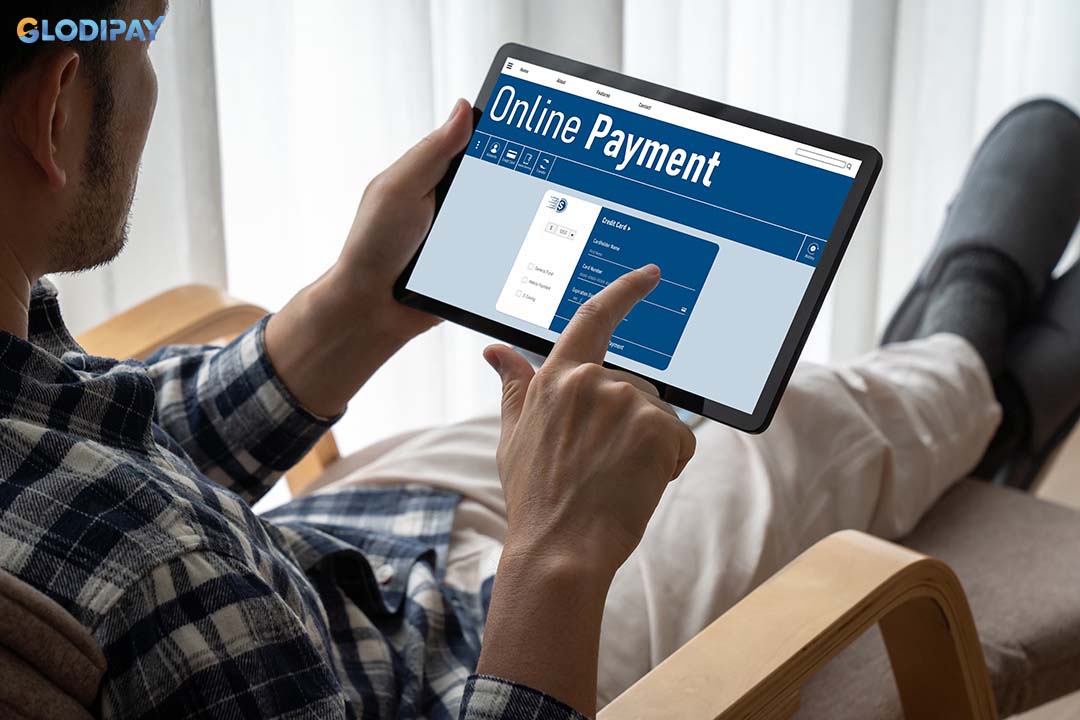
There are some basic steps to integrate a payment gateway into the website
Best practices for payment gateway integration
Successful integration goes beyond connecting APIs. Businesses should also focus on security, performance, and customer experience throughout the payment journey. A well-planned payment setup can improve trust, reduce friction, and support higher conversion rates over time.
Prioritize payment security
Security remains one of the biggest priorities in online payments. Businesses should use SSL encryption, comply with PCI DSS requirements, enable fraud monitoring, and implement authentication technologies such as 3D Secure to protect both merchants and customers. A secure payment environment increases customer confidence and reduces financial risks. It also helps businesses avoid chargebacks, data breaches, and compliance problems that can damage reputation and disrupt operations.
Offer multiple payment methods
Customers expect to pay using their preferred payment method. Supporting credit cards, digital wallets, bank transfers, QR payments, and local payment options helps businesses serve wider audiences while improving checkout conversion rates. Providing flexible payment choices is particularly valuable for businesses selling across multiple countries. When customers see familiar payment options at checkout, they are more likely to complete their purchase and return for future transactions.
Monitor and optimize payment performance
Payment integration should not end after launch. Businesses should regularly review transaction approval rates, declined payments, settlement reports, and customer feedback to identify opportunities for optimization. Continuous monitoring helps improve operational efficiency while supporting long-term business growth. By analyzing payment data over time, merchants can spot patterns, reduce failed transactions, and make informed decisions that improve the overall checkout experience.
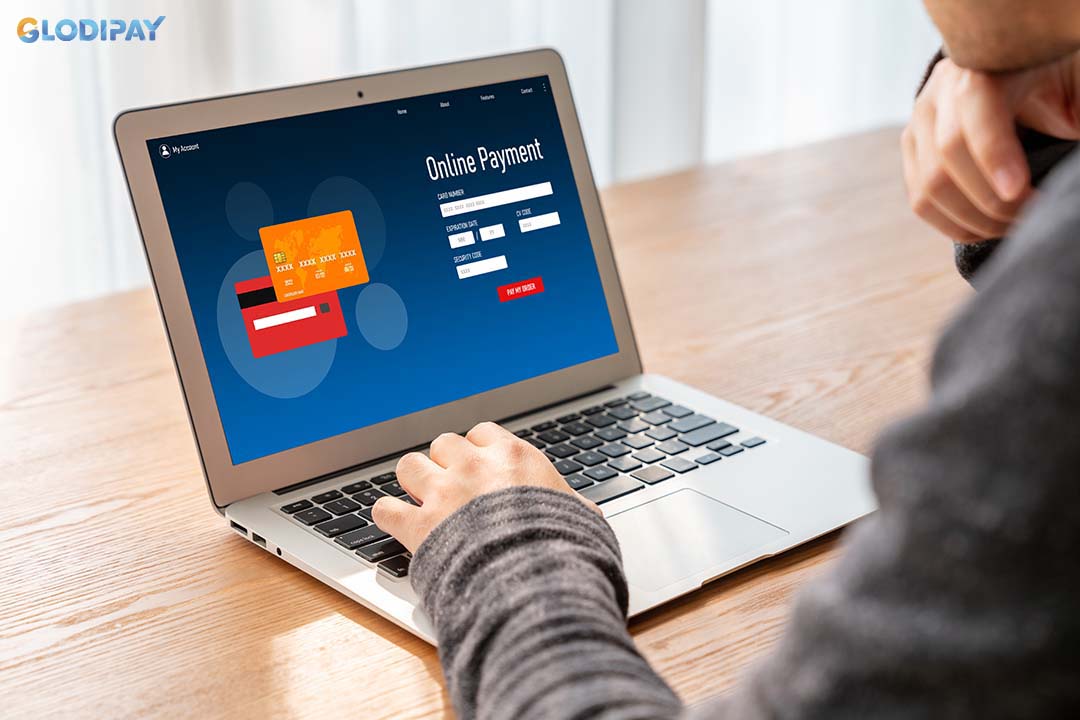
A well-planned payment setup can improve trust, reduce friction, and support higher conversion rates over time
Why GLODIPAY is the smart payment gateway for global businesses
Choosing the right payment partner is just as important as completing the technical integration. GLODIPAY provides businesses with a modern payment gateway designed for secure, scalable, and international payment processing. Supporting merchants in more than 173 countries and multiple currencies, GLODIPAY enables businesses to create localized payment experiences without managing multiple payment providers. The platform also specializes in serving high-risk industries, offering reliable payment infrastructure for businesses that often face challenges with traditional payment providers. Merchants can accept payments through a wide range of methods, including credit and debit cards, bank transfers, digital wallets, QR payments, and other alternative payment solutions. This allows customers to pay using the methods they know and trust while reducing checkout friction.
Beyond payment acceptance, GLODIPAY delivers a secure and scalable payment ecosystem designed for modern global commerce. The platform incorporates advanced security technologies, including PCI DSS compliance, 3D Secure authentication, tokenization, data encryption, and real-time fraud monitoring to protect every transaction. With streamlined payment operations, multi-currency support, intelligent risk management, and dedicated solutions for high-risk businesses, GLODIPAY empowers merchants to expand into new markets confidently.
GLODIPAY is the smart payment gateway for global businesses
Integrating a payment gateway is a critical step for every online business in 2026. A secure payment infrastructure not only protects transactions but also improves customer confidence, streamlines operations, and supports international growth. By selecting a payment gateway that offers flexible integration, strong security, and multiple payment methods, businesses can build a payment experience that scales with future demand. GLODIPAY combines all of these advantages into a single platform, helping businesses simplify payment acceptance and grow confidently in today's increasingly connected digital economy. Contact GLODIPAY today to get the earliest support for your business.