

Digital comics market forecast highlights a rapidly expanding global industry where seamless cross-border payments are becoming a critical success factor. As digital publishing platforms reach readers worldwide, monetization increasingly depends on reliable international payment systems. Processing payments from global audiences has become essential for webcomics, digital graphic novels, and subscription-based comic platforms. However, many platforms still face challenges when accepting international payments. Currency differences, regional payment preferences, and regulatory barriers can lead to transaction failures that directly impact revenue. As the market continues to grow, solving these payment challenges will be crucial for platforms aiming to scale globally.
What is the current outlook of the digital comics market?
The global digital comics industry has experienced rapid growth over the past decade. Driven by mobile consumption, digital entertainment trends, and the rise of serialized webcomic platforms, the market has evolved into a major segment of the broader digital content economy. Several factors are fueling this expansion:
Increasing smartphone and tablet adoption worldwide
Rising demand for digital entertainment and storytelling
Expansion of webcomic platforms and subscription models
Integration of comics into broader multimedia ecosystems
In many markets, digital comics are no longer simply digital versions of printed issues. Instead, they have become a new content format optimized for digital screens, including vertical-scroll webcomics and interactive storytelling. As the audience becomes increasingly global, publishers and platforms must manage content distribution, licensing, and monetization across multiple regions simultaneously.

The global digital comics industry is rapidly growing, driven by mobile consumption, digital entertainment trends, and expanding webcomic platforms
What key factors are driving the growth of the digital comics industry?
The rapid expansion of the digital comics market is largely driven by technological and cultural shifts in how audiences consume content.
Digital-first content consumption
Younger audiences increasingly prefer digital platforms over traditional print formats. Mobile reading allows readers to access comics anytime and anywhere, making digital distribution highly attractive for both creators and publishers. This shift has accelerated the emergence of new publishing models such as:
Episodic webcomics are released weekly
Subscription-based reading platforms
Freemium content supported by advertising
Micro-transactions for individual chapters
Globalization of digital content platforms
Digital comics platforms are inherently global, connecting creators and readers across multiple countries at the same time. While this global reach creates significant opportunities for content creators, it also introduces operational challenges. Platforms must handle complex financial and regulatory requirements. These include cross-border payments, multi-currency pricing, diverse regional payment preferences, and compliance with international regulations.

Digital comics platforms operate globally, requiring them to manage cross-border payments, multi-currency pricing and international regulatory compliance
Expansion of creator economies
Another key factor driving growth is the rise of the creator economy. Independent artists and small studios can now distribute digital comics directly through online platforms. This allows them to reach global audiences more easily. They can also generate revenue through various monetization models, including subscription access, digital chapter sales, premium content tiers, and fan-supported payments.
What challenges are slowing down market monetization?
While audience demand for digital comics continues to grow, monetization remains one of the biggest challenges for global platforms. The primary issue is not content production.
Cross-border payment failures
Many digital platforms experience payment failures when customers attempt to complete transactions from different countries. These issues can arise for several reasons. These issues can arise for several reasons. Card-issuing banks may block international payments, some regional payment methods may not be supported, and currency conversion can create complications. Fraud detection systems may also mistakenly reject legitimate transactions.

Many digital platforms face payment failures in cross-border transactions due to bank restrictions currency conversion issues, and inaccurate fraud detection
Fragmented payment preferences
Payment behavior varies significantly across regions. In different markets, users may prefer credit and debit cards, mobile wallets, bank transfers, or other local payment methods. If a platform supports only a limited range of payment options, many potential readers may be unable to complete their purchases. As a result, limited payment options can reduce conversion rates and restrict a platform’s ability to reach a global audience.
Currency and pricing complexity
Digital platforms must also manage pricing across multiple currencies. Without proper multi-currency payment support, readers may encounter confusing exchange rates or unexpected conversion fees. This can negatively impact the user experience and reduce the likelihood of completing a purchase. In addition, unclear pricing during checkout may cause users to abandon transactions, resulting in lost revenue for digital platforms.

Digital platforms must manage multi-currency pricing, as unclear exchange rates and conversion fees can harm user experience and lead to abandoned purchases
Why is payment infrastructure becoming a strategic priority?
As the digital comics market becomes increasingly global, payment infrastructure is evolving beyond a purely technical backend system and becoming a core strategic component of platform growth. Platforms that invest in scalable payment infrastructure gain several competitive advantages.
Higher global conversion rates
When readers are able to pay using familiar payment methods and see prices in their local currency, the likelihood of completing a purchase increases significantly. Payment friction is a common cause of cart abandonment, especially when users face unfamiliar payment options or unexpected currency conversions during checkout. By supporting multiple payment methods and localized payment experiences, digital platforms can create a smoother and more intuitive purchasing process. This improves user satisfaction and also directly boosts global conversion rates, allowing platforms to capture revenue that might otherwise be lost during the payment stage.
Better creator monetization
Reliable international payment infrastructure plays a crucial role in supporting the creator economy. Digital comic creators, including independent artists and small studios, often rely on global audiences to sustain their work. When platforms can efficiently process payments from readers across different countries, creators gain access to a much broader revenue base. Instead of depending on a limited regional audience, they can monetize fans worldwide through subscription access, digital chapter sales, premium content tiers, and other digital offerings. As a result, creators are better positioned to scale their content businesses and maintain sustainable income streams.
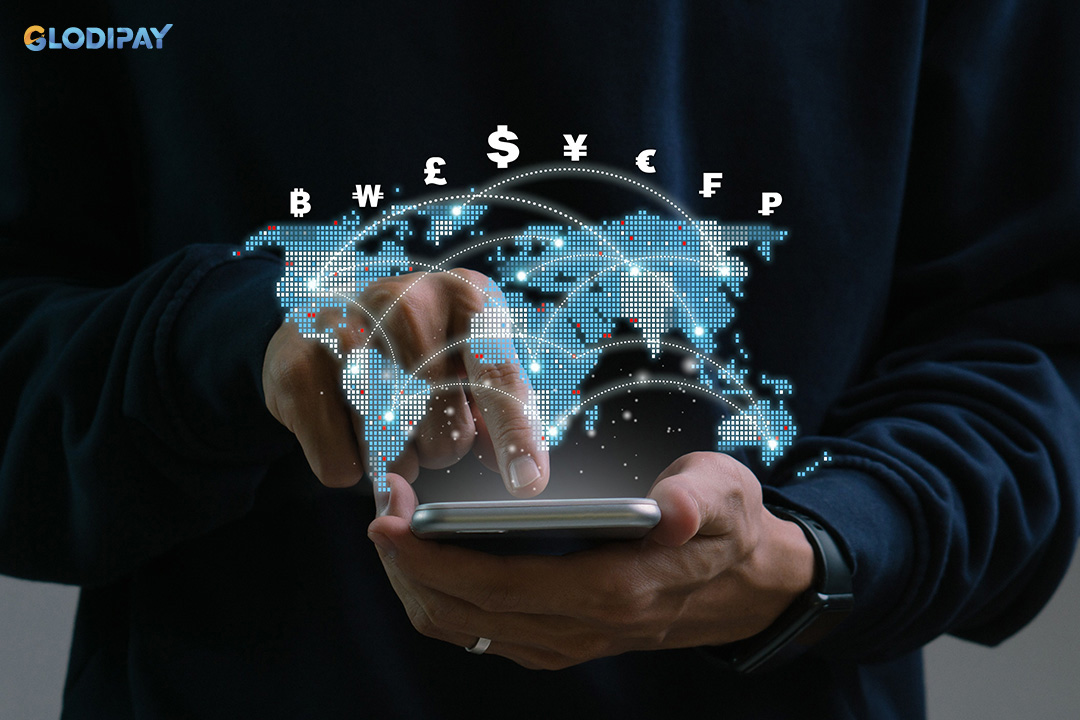
Reliable international payment infrastructure enables digital comic creators to reach global audiences and monetize their work through subscriptions and premium content
Reduced revenue loss
Payment failures and unnecessary transaction declines can significantly impact the revenue potential of digital platforms. Many legitimate purchases fail due to overly strict fraud detection systems, unsupported payment methods, or cross-border transaction restrictions imposed by issuing banks. Advanced payment infrastructures reduce these issues by improving transaction routing, enhancing fraud detection accuracy, and supporting more international payment options. By reducing false declines and improving authorization rates, platforms can process more legitimate payments while protecting revenue and maintaining security.
Faster global expansion
As digital platforms aim to reach audiences across multiple regions, payment infrastructure becomes a critical component of international growth. Expanding into new markets often requires supporting local currencies, adapting to regional payment preferences, and complying with different regulatory requirements. Platforms that rely on flexible and globally integrated payment solutions can enter new markets much more efficiently. Instead of building region-specific payment systems from the ground up, they can leverage a payment gateway that already supports cross-border transactions and multiple payment methods. This significantly reduces operational complexity and enables faster, more scalable global expansion.

Global payment infrastructure enables digital platforms to support local currencies, adapt to regional payment preferences, and expand into new markets more efficiently
What payment capabilities do global digital platforms need?
To operate successfully at a global scale, digital content platforms increasingly require advanced payment infrastructure with several key capabilities.
Multi-currency processing: The ability to accept and settle payments in multiple currencies allows platforms to offer localized pricing to readers worldwide. This improves transparency and reduces conversion friction.
Diverse payment methods: Supporting a wide range of payment methods ensures accessibility for users across different regions. A robust system typically supports international card payments, digital wallets, bank-based payment solutions and localized payment methods.
Secure authentication systems: Security remains essential for protecting both platforms and users. Modern payment systems incorporate authentication technologies, which helps reduce fraud while maintaining a smooth checkout experience.
Fast business onboarding: Platforms launching new digital services need payment solutions that allow them to start accepting payments quickly. Streamlined business verification processes can significantly reduce onboarding delays.
GLODIPAY - A global payment gateway for your business
For digital platforms aiming to operate internationally, GLODIPAY provides a payment infrastructure built to support cross-border commerce at scale. As a global payment gateway, it enables businesses to process transactions from customers in more than 173 countries, helping digital platforms reach audiences worldwide more easily. The system also supports multi-currency processing and a wide range of payment methods, allowing businesses to provide localized payment experiences for users across different regions.
In addition to global accessibility, the platform offers a streamlined KYB business approval process that helps companies activate payment capabilities effectively. Security is also a key priority, with advanced authentication technologies such as 3D Secure designed to protect transactions while maintaining a smooth checkout experience. The infrastructure is designed to support industries that often face challenges with traditional payment providers, such as AI platforms, travel services, and eLearning.

GLODIPAY is a global payment gateway supporting businesses in over 173 countries with multi-currency and secure cross-border transactions
The digital comics market forecast highlights rapid platform growth and the rising need for reliable cross-border payments. As platforms reach global audiences, efficient international transactions become essential. Payment failures from fragmented systems, currency limits, and regional preferences can hurt revenue and user experience. Investing in scalable payment infrastructure helps platforms monetize globally and expand faster. Contact GLODIPAY to learn how a global payment gateway can support secure, efficient growth.