

Legacy payment systems once powered the digital economy, supporting online stores, billing systems, and global transactions. But the landscape in 2026 looks very different. With customer expectations rising and competition intensifying, merchants of all sizes are moving toward modern, adaptable payment technologies. They must help them scale faster and operate more efficiently.
Legacy systems fail to meet modern checkout expectations
Old payment infrastructures were not built for today’s high-speed digital environment. As consumer behavior evolves, friction at checkout has become a major reason for lost revenue. Before exploring specific issues, it’s important to understand that modern buyers expect instant, seamless, and user-friendly payment journeys.
Checkout friction is causing massive drop-offs
Traditional systems often rely on outdated interfaces, slow redirects, and limited payment options. These hurdles disrupt the flow of a transaction and create frustration for buyers. With research showing that nearly 70 percent of consumers abandon multi-step checkouts, merchants are recognizing that outdated systems directly erode conversions.
Faster, modern systems are delivering better performance
Newer payment technologies offer simplified journeys such as one-click global checkout, mobile-optimized flows, and smart routing. These improvements significantly reduce drop-offs and help merchants capture more completed transactions. Modern infrastructure proves that a seamless checkout is no longer a luxury. It’s a necessity.
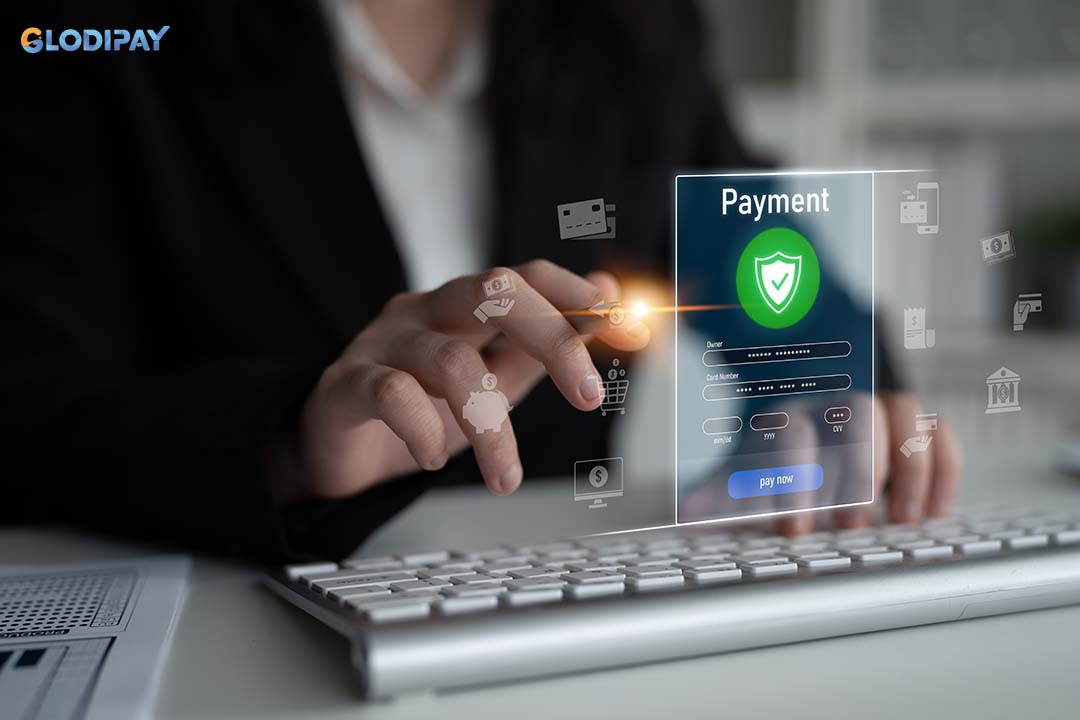
Modern buyers expect instant, seamless, and user-friendly payment journeys
Lack of flexibility is limiting business growth
Many merchants report that legacy systems make it difficult to keep up with evolving customer preferences. These platforms often come with rigid structures and limited customization options. To understand the scale of this issue, it’s helpful to look at how fast payment trends are changing across various markets.
Outdated systems slow down innovation
Whenever a merchant wants to add new features, such as digital wallets, regional payment options, or cryptocurrency support, it often requires extensive development work. Traditional systems were not designed for modular upgrades, which forces businesses into slow and costly implementation cycles.
Modern solutions make upgrading simple and scalable
New payment platforms offer plug-and-play compatibility, allowing merchants to integrate emerging tools with minimal effort. This flexibility is especially valuable for businesses operating across different markets where preferences vary widely. The ability to adapt quickly is becoming a defining trait of successful global brands.
Rising costs and limited transparency create financial burdens
Legacy systems often come with outdated APIs, hidden fees, and maintenance costs that increase over time. Many merchants find themselves locked into long-term contracts that no longer match their business needs. As competition intensifies, businesses are paying closer attention to expenses associated with payment operations.
Maintenance and licensing fees are draining budgets
Older infrastructure requires constant updates, patching, and manual oversight. These demands force merchants to dedicate resources to issues unrelated to customer experience and growth. The long-term financial burden can become a major obstacle for scaling.
Modern providers offer more cost-efficient alternatives
New payment platforms focus on transparent pricing, flexible plans, and reduced operational overhead. Merchants can scale up or down without being tied to restrictive contracts. As margins tighten across industries, cost efficiency is becoming a major driver for change.

Legacy systems often come with outdated APIs, hidden fees, and maintenance costs that increase over time
Merchants need better insights to optimize performance
Data is one of the most powerful tools for improving payment performance, yet traditional systems offer very limited analytics. Static dashboards and outdated reporting tools restrict a merchant’s ability to identify problems or opportunities. Before diving into specifics, it’s important to note that real-time insights are now a core expectation among digital-first companies.
Legacy reporting tools offer minimal visibility
Older platforms typically provide basic summaries that lack customization or real-time tracking. Without access to detailed conversion data, fraud indicators, or settlement breakdowns, merchants struggle to optimize their payment flows.
New systems deliver actionable, data-driven insights
Modern payment solutions offer dynamic dashboards that break down performance metrics at a granular level. These tools help merchants track where revenue loss occurs, monitor refund trends, and identify slow payment routes. The result is a more agile, informed approach to payment strategy.
Compliance standards are becoming harder to meet
Regulators worldwide are strengthening rules around payment security, data protection, and fraud prevention. Legacy systems, built in a different era, often lack native support for modern compliance requirements. To stay competitive, merchants need systems that evolve with regulatory changes, not systems that lag behind.
Old systems struggle with new compliance demands
Updates to PCI DSS, PSD3, data protection laws, and fraud standards require advanced technology that older platforms simply don’t have. Merchants relying on outdated systems face increased legal risks, higher penalties, and frequent audits.
New gateways bake compliance into their infrastructure
Modern payment providers stay ahead of regulatory updates by integrating tokenization, advanced encryption, and layered fraud protection as core features. This reduces operational stress while keeping merchants compliant worldwide.
To stay competitive, merchants need systems that evolve with regulatory changes, not systems that lag behind
Scalable infrastructure is essential for global expansion
As more merchants explore international markets, the limitations of legacy systems become even clearer. Currency restrictions, lack of local payment methods, and delayed settlement times make global expansion far more difficult. Before diving into solutions, merchants must understand that global growth requires modern, flexible infrastructure.
Legacy systems limit international reach
Merchants expanding into new markets often discover that older platforms cannot support essential features such as multi-currency acceptance or regional payment tools. This results in reduced competitiveness and slower growth.
Global-ready payment solutions are taking over
Modern gateways designed for 2026 provide seamless multi-currency support, localized payment methods, and faster global settlement cycles. These capabilities give merchants the freedom to scale without unnecessary friction.
Why merchants are choosing GLODIPAY as their next-generation payment partner
It’s important to highlight the payment solutions leading this shift, particularly those built specifically for high-risk merchants, digital-first companies, and global operations. This is where GLODIPAY stands out.
Global reach across 173+ countries
GLODIPAY allows businesses to accept payments from over 173 countries with ease. This global network eliminates the need to juggle multiple payment providers in each market, simplifying international expansion. The unified platform ensures smooth, consistent operations across borders.
Multi-currency and multiple payment methods
With GLODIPAY, customers can pay in their preferred local currency using credit cards, digital wallets, or region-specific payment methods. This wide choice of options removes friction during checkout, builds trust, and helps increase conversion rates. By adapting to different user preferences and regional norms, GLODIPAY enables businesses to deliver a seamless global commerce experience.
Enterprise-grade security
Security is the cornerstone of every payment handled by GLODIPAY. The platform complies with PCI DSS standards, uses 3D Secure authentication, and leverages advanced fraud detection to monitor real-time threats. These technologies work together to minimize chargebacks, prevent unauthorized access, and protect both merchants and customers - allowing businesses to grow safely without compromise.
Specialized for high-risk businesses
Many payment processors shy away from high-risk sectors, but GLODIPAY is built with these industries in mind. It supports digital services, eLearning, and other sectors commonly rejected by traditional banks. Through flexible onboarding, custom risk profiles, and steady account support, GLODIPAY gives high-risk businesses the stability they need to scale without fear of disruption.
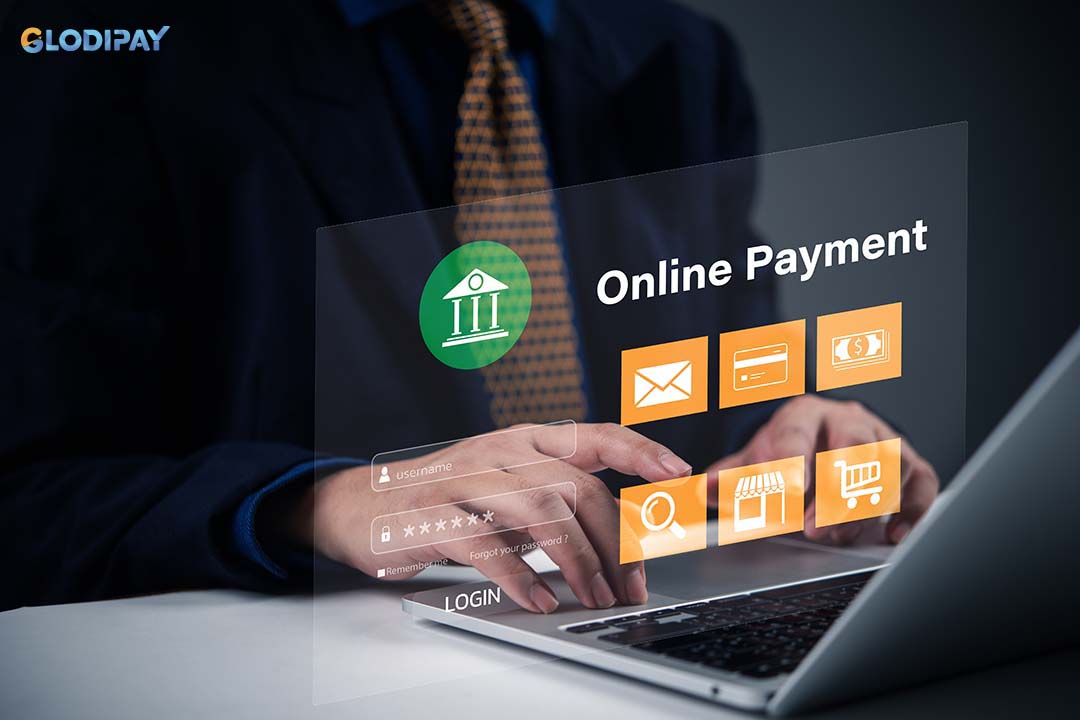
GLODIPAY is an ideal global payment gateway to choose when merchants are ditching legacy payment systems
The shift away from legacy payment systems in 2026 is driven by more than frustration. It’s driven by necessity. With modern payment technologies evolving at a rapid pace, businesses are rethinking their approach to transactions at every touchpoint. The move to flexible, secure, and scalable platforms like GLODIPAY marks the beginning of a more efficient and profitable future. Contact GLODIPAY today to get the support you need for your business.